
Your Basement's Unsung Hero: A Guide to Sump Pumps
Posted On: Dec 19, 2025
Author:
home maintenance plumbing basement flooding
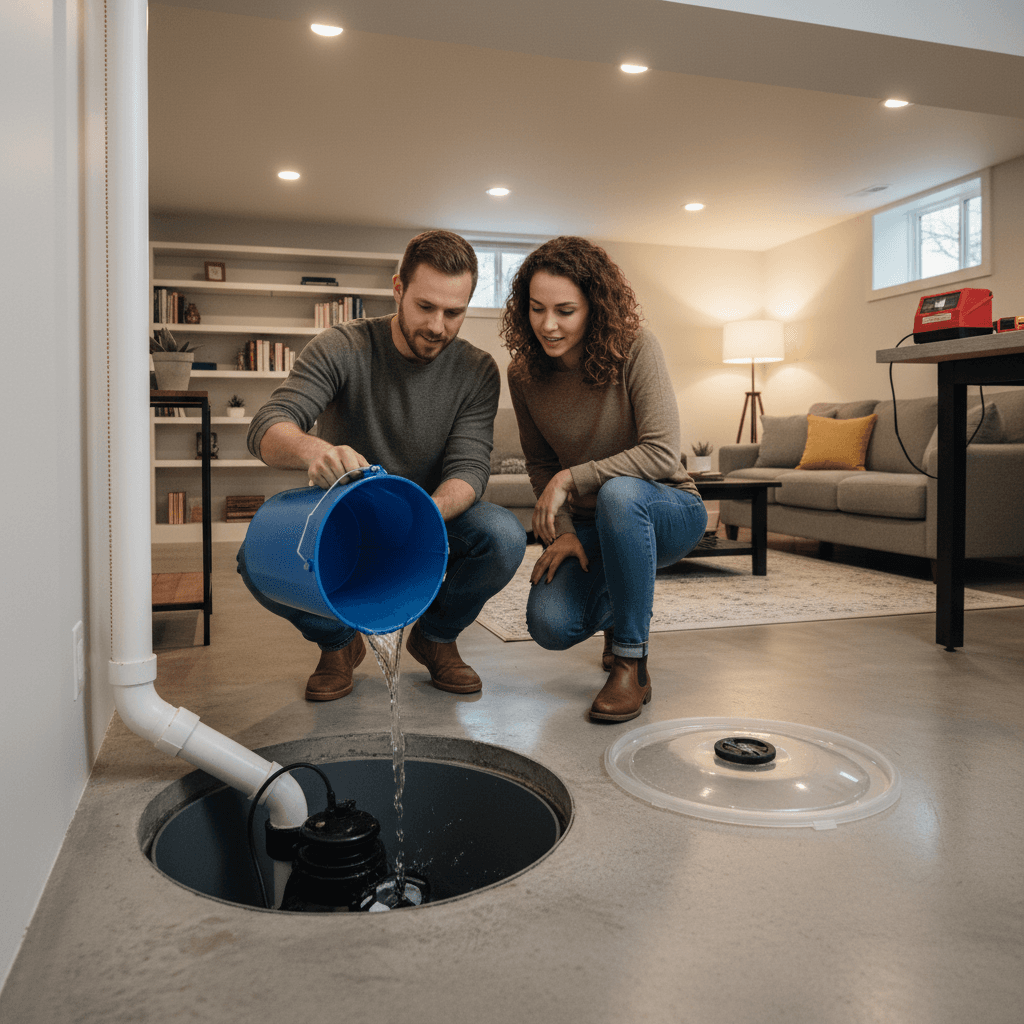
What's That Pit in My Basement Corner?
Of all the things you worried about when buying your first home—the mortgage, the inspection, picking paint colors—a small, unassuming pit in the corner of your basement probably wasn't on the list. But inside that pit lives one of your home’s most important, and most overlooked, guardians: the sump pump.
If you live in an area with a high water table or heavy rainfall, this little machine is your first line of defense against a flooded basement, foundation damage, and thousands of dollars in repairs. Ignoring it is a gamble. Understanding it is one of the smartest things you can do as a homeowner.
Let's demystify this unsung hero.
What is a Sump Pump and How Does It Work?
Think of a sump pump system as your home's personal drainage channel. It consists of two main parts:
- The Sump Pit (or Sump Basin): This is the hole in your basement floor. It's designed to collect excess groundwater that seeps in around your foundation.
- The Pump: This is a submersible pump that sits inside the pit. When the water in the pit reaches a certain level, it triggers a float switch (much like the one in your toilet tank), which turns the pump on. The pump then pushes the water out of the pit and away from your house through a discharge pipe.
When it works, it's a beautifully simple system that keeps your basement dry and safe. When it fails, the results can be catastrophic.
The "Don't-Flood-My-Basement" Maintenance Plan
The good news is that basic sump pump maintenance is incredibly easy. You don't need to be a plumber; you just need to be consistent. Here's a simple schedule to follow.
Quarterly Task: The 5-Minute Test
This is the most important thing you can do. At the start of every season, perform this quick check:
- Remove the pit cover.
- Slowly pour a 5-gallon bucket of water into the pit.
- Watch what happens. The float should rise with the water, and the pump should kick on automatically, well before the pit overflows. It should pump the water out quickly and shut off once the water level drops.
- If it works, you're good! Replace the cover and add a reminder to your calendar for next season.
If the pump doesn't turn on, or if it makes strange grinding or rattling noises, you have a problem that needs attention before the next big storm.
Annual Tune-Up: A Little Deeper Dive
Once a year (late summer or early fall is a great time), spend about 30 minutes giving your system some extra care.
- Unplug the Pump: Safety first! Disconnect both the main pump and the backup pump (if you have one) from their power sources.
- Clean the Pit: Remove the pump from the pit. Clean out any gravel, dirt, or other debris that has collected at the bottom. This gunk can get sucked into the pump and clog it.
- Wipe Down the Pump: Clean the pump itself, paying special attention to the inlet screen at the bottom.
- Check the Discharge Pipe: Go outside and find where the pipe lets water out. Make sure it's not clogged with leaves, dirt, or ice (in the winter). The pipe should also direct water at least 10-20 feet away from your home's foundation, on a downward slope. If it's dumping water right next to your house, you're just recycling the problem!
The Ultimate Upgrade: The Battery Backup System
Your standard sump pump runs on electricity. So, what happens during a severe thunderstorm when the power goes out? That's right—the time you need your pump the most is when it's most likely to be useless.
A battery backup sump pump is your insurance policy. It's a secondary, smaller pump that sits in the pit next to your main pump and runs off a large deep-cycle battery. If the power fails, the backup system automatically takes over, protecting your basement until the electricity is restored. If you don't have one, it's one of the most valuable upgrades you can invest in for peace of mind.
When to Call a Pro
While basic maintenance is DIY-friendly, some things are best left to a professional plumber:
- The pump fails your quarterly water test.
- The pump runs constantly, even when it's not raining.
- It makes loud, unusual noises.
- It's more than 7-10 years old (its average lifespan).
Proactive replacement of an aging pump is far cheaper and less stressful than cleaning up a flooded basement.
Remembering to test your sump pump every quarter or budget for its eventual replacement can feel like just another mental note that gets lost in the shuffle of homeownership. You're busy, and it's easy to forget about the systems you can't see.
This is exactly why we built Properteer.
With Properteer, you can log your sump pump as a key home component. The app will then send you smart, timely reminders to perform your quarterly tests. You can track its age, store notes from your annual tune-up, and even start budgeting for its replacement years down the line, based on its typical lifespan. Instead of reacting to a basement full of water, you can proactively manage your home's defenses.
Stop letting your home's most critical systems be "out of sight, out of mind." Download Properteer today and turn anxiety into a simple, actionable plan for a safe and dry home.
Sump Pump FAQs
Q: What is a sump pump and what does it do? A: A sump pump is a small pump installed in the lowest part of a basement or crawlspace. Its job is to collect excess groundwater from around your foundation and pump it away from your house, preventing flooding and water damage.
Q: How often should I test my sump pump? A: You should test your sump pump at least four times a year (quarterly), especially before the start of your local rainy season. A quick 5-minute test is all it takes.
Q: How do I test my sump pump? A: Simply pour a large bucket of water into the sump pit. The pump should automatically turn on, remove the water, and shut off. If it doesn't, it needs to be serviced.
Q: Do I really need a battery backup for my sump pump? A: If you live in an area prone to power outages during storms, a battery backup is highly recommended. It ensures your basement stays dry even when the power is out, which is often when you need the pump the most.
Q: How long do sump pumps typically last? A: The average lifespan of a quality sump pump is around 10 years. If your pump is approaching this age, it's wise to plan and budget for a replacement before it fails unexpectedly.